

New Beginnings, Growing Minds at Trinity
January at Trinity Episcopal Day School is a time of renewed focus, familiar routines, and joyful learning. As students return from Christmas break, classrooms come back to life with curiosity, structure, and the steady rhythms that help children thrive.
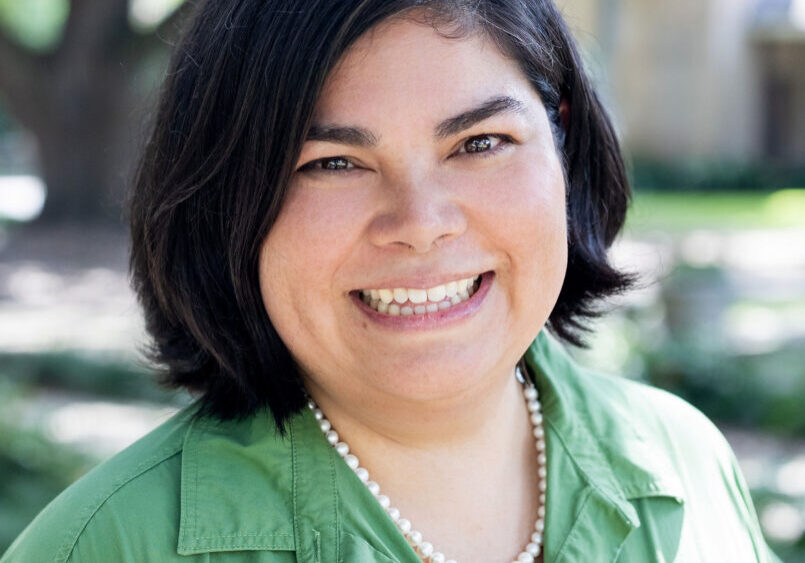
At the heart of that work is Elena McPeak, Trinity’s Head of School. With a background in education, science learning, and school leadership, Elena brings a thoughtful, child-centered approach to guiding Trinity’s academic and spiritual life. We sat down with her to talk about new beginnings, growing minds, and what makes Trinity such a special place to learn and belong.
For families who may be new to Trinity, how do you describe your role as Head of School—and what matters most to you in that role?
At its core, my role is about stewarding the mission of Trinity and making sure our students, faculty, and families feel supported and connected. I spend a lot of time in classrooms, talking with teachers, listening to families, and thinking about how everything we do—from academics to chapel to enrichment—fits together.
What matters most to me is that every child here is truly known. Known by name, known for who they are, and supported as a whole person—academically, emotionally, socially, and spiritually. When that foundation is strong, everything else grows from there.
January is a season of fresh starts. What does this time of year represent for you and for Trinity as students return ready to learn and grow?
January feels calm in the best possible way. There’s a sense of settling back into routines that children actually crave—morning meetings, reading time, hands-on projects, chapel together. Those rhythms create a sense of safety and confidence, which allows students to re-engage deeply with their learning.
It’s also a time when we see growth really take off. Students return more focused, more independent, and ready to build on what they’ve already learned. It’s a quiet but powerful season of momentum.
When students come back from Christmas break, what excites you most about the learning that unfolds in January classrooms?
I love seeing how quickly students reconnect with their work. In early childhood, that might look like children confidently walking into class, recognizing letters in their names, or taking turns during group time. In the elementary grades, it’s students diving back into literacy discussions, math problem-solving, and hands-on science investigations.
Across all ages, January is when learning feels purposeful and joyful at the same time. You’ll see focused faces, busy hands, and students who are genuinely excited to be discovering something new.
Trinity is known for strong academics paired with joyful learning. How do you see that balance come to life across grade levels?
That balance is intentional. In our PreK classrooms, children are building independence, social-emotional skills, and early academic foundations through play, exploration, and structure. With our small class sizes, children receive the attention they need to grow with confidence.
As students move into elementary school, the academics deepen—balanced literacy, strong math foundations, science inquiry, and cross-curricular projects—while still leaving room for creativity, curiosity, and joy. Learning here is rigorous, but it never feels rushed or disconnected from who children are.
Why are structure, routine, and clear expectations so important for children—especially at the start of a new year?
Structure creates opportunities for growth for children. When students know what to expect, they can focus their energy on learning, asking questions, and taking risks. Routines help children feel safe and capable—whether that’s knowing how chapel works, understanding classroom expectations, or managing their materials independently.
At Trinity, those routines are paired with warmth and care. It’s not about rigidity; it’s about creating an environment where children feel confident enough to grow.
From your perspective as a school leader, what do children need most in order to truly thrive—academically and emotionally?
Children need to feel known, supported, and challenged in the right ways. They need adults who believe in them, set high expectations, and provide the guidance to reach those expectations. They also need space to wonder, to make mistakes, and to discover their own strengths.
At Trinity, that means students are surrounded by teachers who truly get to know them and who care deeply about who they are becoming. We have an incredible mix of talented teachers who work together beautifully to support the unique abilities and needs of our students. Our teachers are not only incredible educators but also want to be a part of a community that works together to bring out the best in everyone. This dedication to the Trinity community is evident in the long tenure of our teaching staff.
When students experience that combination, they develop confidence that carries them far beyond the classroom. I feel so fortunate to work alongside such inspiring colleagues.
What’s something about you that families might be surprised to learn, and how does that part of who you are show up in your leadership?
Many people are surprised to learn that I have a master’s degree in environmental management, spent 10 years working for the National Park Service and as a museum educator at a science museum and science center. That experience shaped how I think about learning—especially hands-on, inquiry-based education.
I’m passionate about outdoor learning and experiential science because I’ve seen how powerful it is when children learn by doing, exploring, and asking questions. That mindset influences how I approach curriculum, enrichments like Wonder Lab, and the importance of giving students real-world connections to their learning.
When you’re not at school, how do you like to spend your time—and what helps you recharge so you can bring your best self to Trinity each day?
I love to travel and explore new places. When my sons were small, we lived in Switzerland for 5 years, and a few years ago, our family took a six-month sabbatical traveling across Europe. We spent our days visiting museums, hiking, and enjoying great food together.
Those experiences remind me of the value of curiosity, cultural awareness, and learning beyond four walls—things we also try to cultivate in our students at Trinity.
A Place for New Beginnings
January is a season of fresh starts—and at Trinity, those beginnings are rooted in strong academics, joyful classrooms, and a community where children are truly known.
For families exploring schools mid-year or looking for the right place for their child to grow, we invite you to experience Trinity for yourself.
Discover a school where growing minds—and joyful learning—begin.
Now scheduling winter tours.